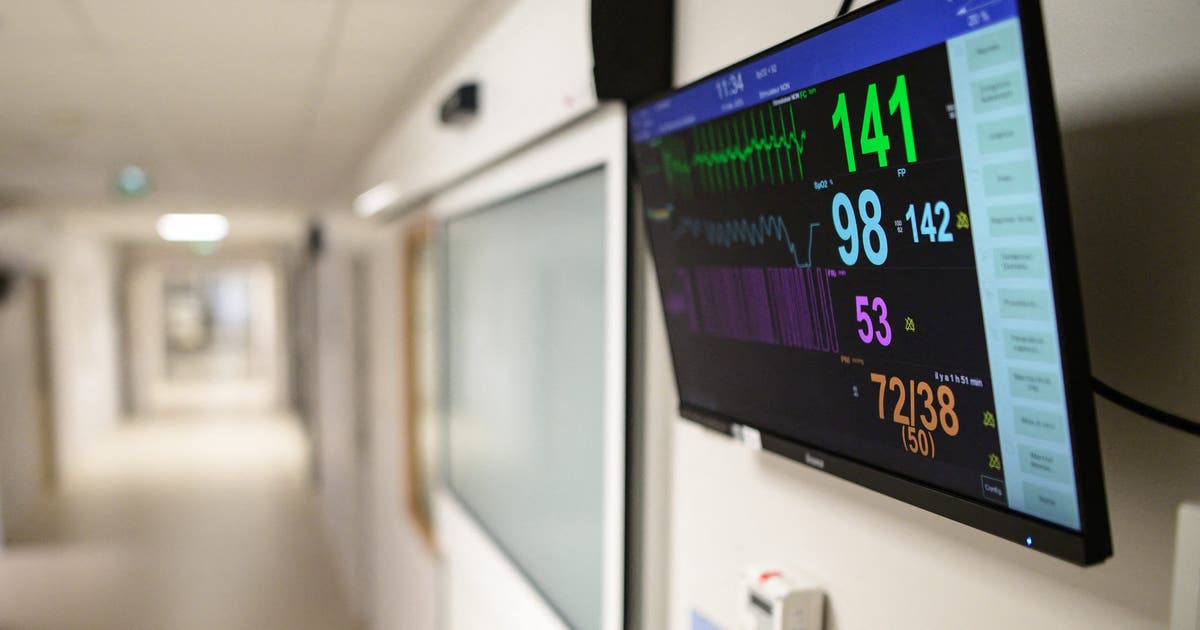
UC Berkeley's AI model can spot sudden cardiac death risk from a routine ECG, finding patterns doctors miss. This is the kind of targeted, high-impact medical AI that actually matters, catching hidden danger in young athletes and otherwise healthy people before a cardiac arrest.
artificial intelligenceTuesday, June 30, 2026
AI spots heart risks in routine ECGs
Today's AI news is a mixed bag: a genuinely promising medical application, a security hole in a key protocol, and a geopolitical warning. The Berkeley ECG model could save lives by catching hidden cardiac risks. Meanwhile, MCP's authentication gap is a reminder that infrastructure security lags behind capability.
Medical breakthrough
The most consequential story today is a concrete, life-saving application of AI in cardiology.
Security and strategy
Two pieces highlight where AI's growth is creating new vulnerabilities, one in protocol design, one in geopolitical competition.
MCP servers, which connect AI agents to external tools, lack built-in authentication, leaving them reliant on insecure API keys. The article proposes certificate-based auth as a fix, but the bigger point is that AI agent infrastructure is being built on shaky security foundations.
A CNAS report warns that Chinese AI agents could soon challenge U.S. air and space operations, specifically by replicating complex military planning. It's a sobering look at how AI is becoming a direct factor in military strategy, not just a tool for analysis.
Also today2
More roundups that day
ai & machine learning roundupAI faces fool people, Codex goes local
Disability rights and voting access dominate
Five Eyes warns on AI threats, Mustang Panda strikes India
AI spots heart risk in routine ECGs

Smartphone ban debate heats up in England